
Depression affects more than your mood.
UNDERSTANDING DEPRESSION

It may also affect energy, sleep, appetite, memory, motivation, relationships, and your ability to keep up with daily life. Care begins with a careful evaluation of what may be contributing.
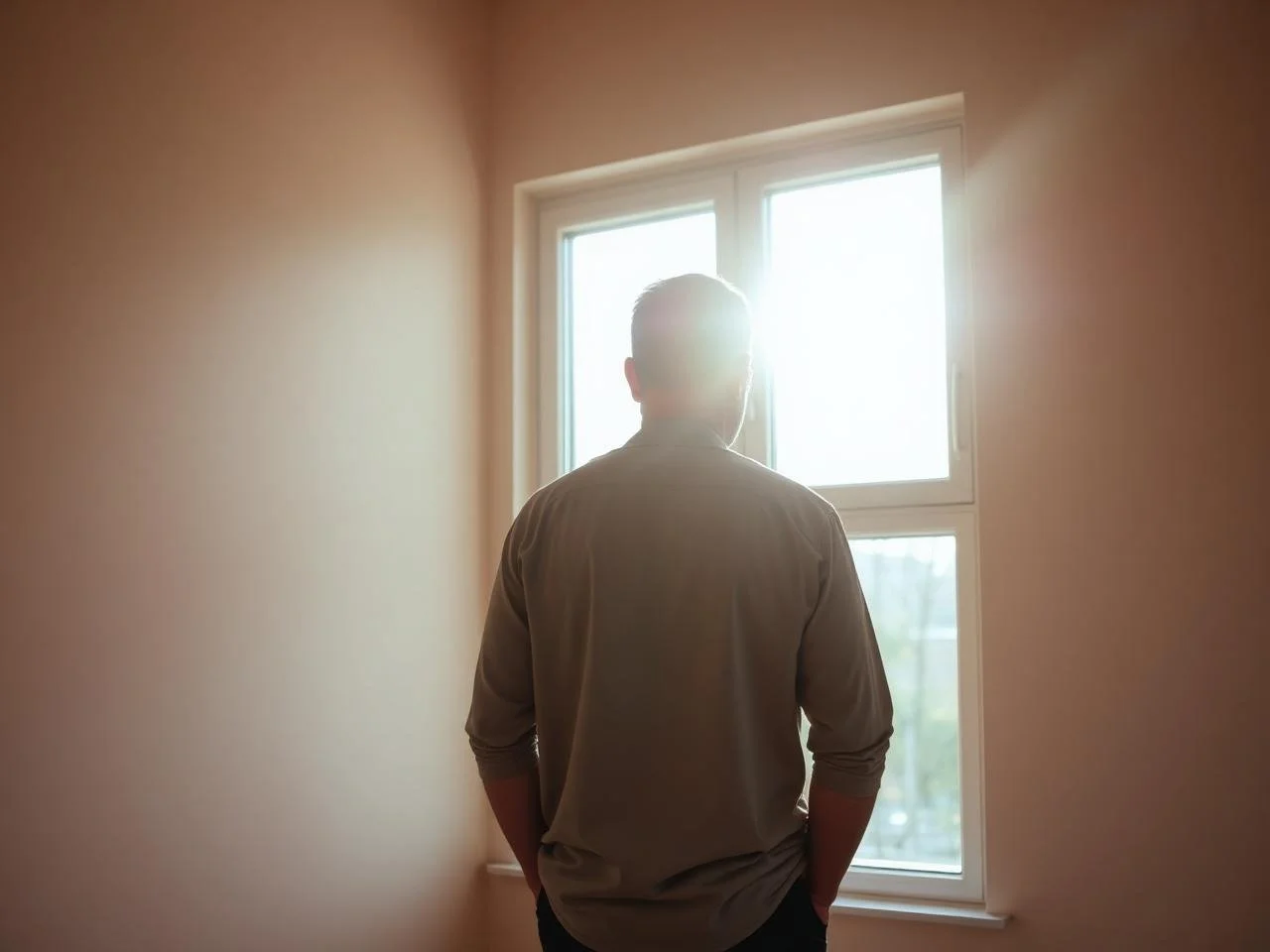
It does not look the same for everyone.
COMMON PATTERNS
More than sadness
Energy, sleep, appetite, thinking, and motivation can all be affected.
It can look different
Some feel sad; others feel numb, irritable, restless, or disconnected.
Evaluation comes first
Grief, trauma, thyroid problems, and bipolar-spectrum conditions can look similar.
A SIMPLE WAY TO THINK ABOUT IT
Your brain has a power-saving mode
Picture your brain like a phone stuck in low power mode — the screen dims, everything slows, and non-essential features shut off. You cannot tap the screen harder to fix it; the system has to be recharged and repaired. That is what treatment is for.
Major depression
Symptoms strong enough to interfere with work, relationships, self-care, or daily life.
Persistent symptoms
Symptoms that may feel less intense but continue over a long period.
Seasonal or hormonal
Symptoms linked with seasons, pregnancy, postpartum, or menstrual cycles.
Health or life changes
Depression occurring with illness, grief, trauma, pain, caregiving, or major stress.
How depression may show up
COMMON SIGNS
Low, numb, or irritable mood
Loss of interest or enjoyment
Difficulty concentrating or deciding
Guilt, hopelessness, or self-criticism
Mood & thinking
Low energy or heavy fatigue
Sleeping too little or too much
Appetite or weight changes
Falling behind at work or at home
Body & daily life
WHAT MAY CONTRIBUTE
There is rarely one single cause. Evaluation looks at the full picture before any treatment is recommended.
Biology and family history
Grief, loss, caregiving, or prolonged stress
Thyroid concerns, anemia, chronic pain, kidney disease, or poor sleep
Medications, alcohol, or other substances
Care built on your evaluation.
HOW WE CAN HELP
Comprehensive evaluation
We review mood, sleep, energy, health, medications, substance use, safety, and history.
Medication management
Clear discussion of expected benefits, side effects, alternatives, dosing, and time to response.
Follow-up & coordination
We monitor progress and coordinate with primary care or therapy when helpful.
Supportive psychotherapy
Brief, practical support within visits — education, problem-solving, and realistic next steps.
01
You share what has been happening. We review your history, health, sleep, medications, and daily functioning.
We listen and review
02
We discuss whether this concern — or something else — better explains your symptoms.
We clarify
03
We review options, agree on next steps, and set a follow-up rhythm that fits your life.
We plan together
Start with an evaluation.
Telehealth throughout California, with in-person and mobile visits in Los Angeles County. Free 15-minute consultation.
An evaluation does not guarantee a depression diagnosis or a prescription. Recommendations are based on your history, symptoms, health, safety, and daily functioning.